
A small start
Choose an ordinary decision and one value, such as honesty or respect. Name one action that would express that value, then compare it with the rules reproduced below.
When to use it
Use before a difficult choice, when beginning a family discussion, or when reviewing an action that did not match your intentions.
How to use it
The eleven Hero Academy Rules — verbatim from Chapter 5
- I will respect myself and others
- I will never do anything illegal or immoral
- I will be honest and true at all times
- I will seek after good things
- I will seek opportunities to lift up those who need it
- I will never stop my search for knowledge and experience that can help me grow
- I will understand that others' experiences have helped them to grow at their own pace
- I will avoid violence as much as possible, and only resort to violence in defense of myself and others when all other options have been exhausted
- I will never forget who I am, where I came from, or where I am going
- I will always have a goal
- I understand that I can only control myself
Read the eleven rules above with a parent or trusted adult. Clarify unfamiliar words such as moral and respect using ordinary examples rather than requiring memorized definitions.
Choose one rule relevant to the present situation. State what happened without labeling an entire person as bad, and name the decision that is actually yours.
List two possible responses. Compare how each treats yourself and other people, what it asks you to do, and whether it requires dishonesty or unsafe behavior.
Identify the part you can act on: your words, a request, a repair, or asking for help. Another person’s response is not your responsibility to control.
Choose one specific action and carry it out when safe. A younger child may draw the action while an adult records their explanation.
Return to the rule afterward. Describe what you did, what happened, and what you would change next time. A mistake calls for a repair and practice, not a verdict about your worth.
A worked example
A practical illustration of the method.
A sibling takes a pencil without asking. The learner chooses respect and honesty: “That is my pencil, and I need it back. Please ask next time.” If the disagreement continues, the learner asks an adult to help instead of taking revenge. The review records the request and the next boundary, not whether the sibling immediately became agreeable.
Use it thoughtfully
Do not use the rules to demand obedience to an unsafe request.
“I can only control myself” does not prohibit reporting mistreatment or asking others to change harmful behavior.
The code states the book’s values; it is not a scientific ranking of people.
The defense rule is the book’s ethical commitment, not an instruction to confront someone or remain in danger while trying every alternative. Seek safety and responsible help.
From the book
I understand that I can only control myself
A Complete Guide for Young Heroes · Chapter 5: The First Assignment; manuscript body paragraph 132 (one-based, including blank paragraphs)
Excerpt from the author’s current manuscript; page numbers vary by edition. The practical instructions on this page are companion guidance, not additional quoted text.
Related chapters in this book: 4, 5, 16, 29.
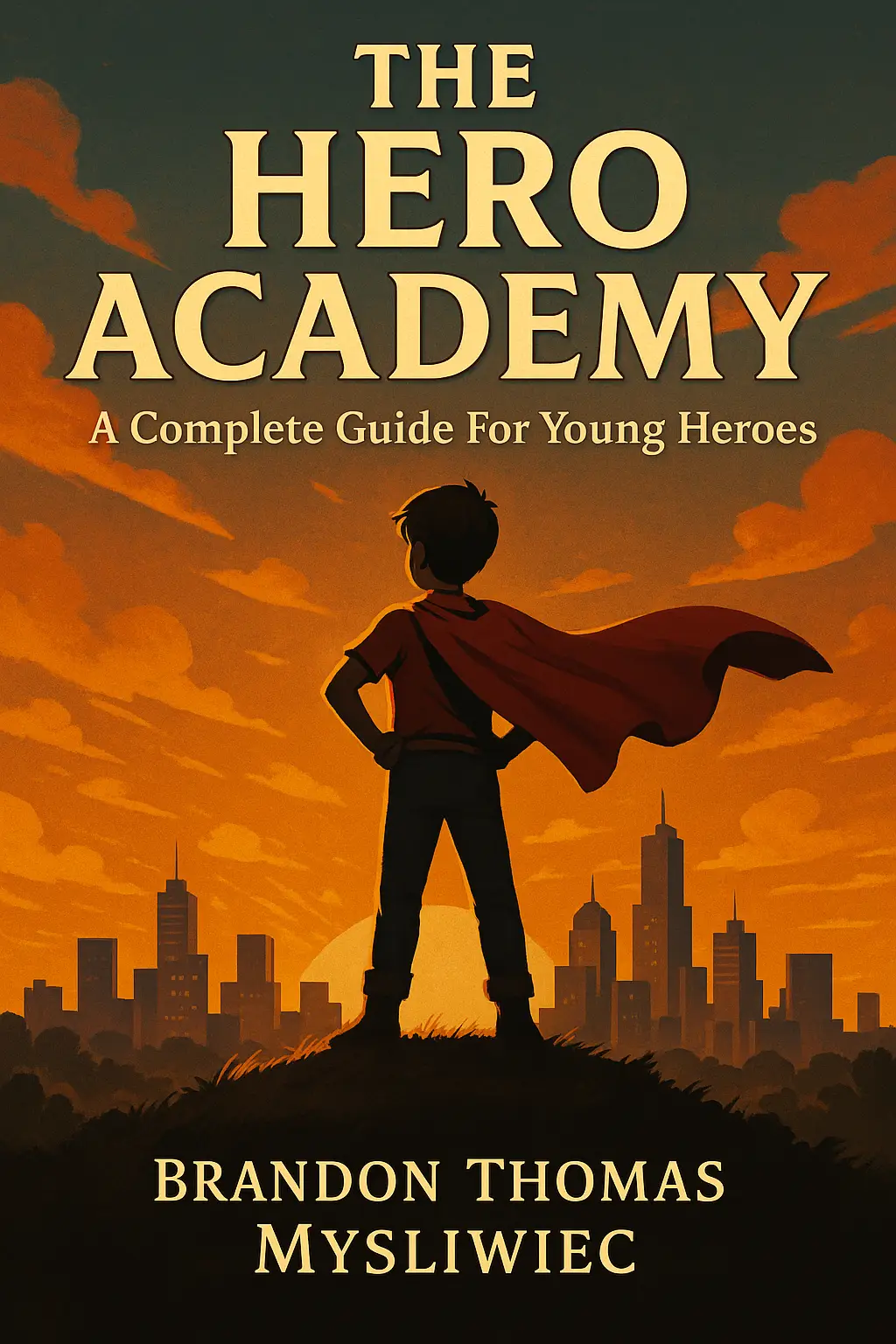
Read this tool in Book 1 · Chapter 5: The First Assignment.
Buy Book 1 paperback ↗Read a sample chapter from this book → · Book details & print editions →
Practical website guidance based on the book. The quoted excerpt is verbatim; the surrounding instructions and examples are an original explanation. Story outcomes and metaphors are not scientific evidence or guaranteed results.
Put it into practice
Your next step
Use these prompts for a real situation or a made-up example. Younger readers can work with a trusted adult.
This worksheet does not submit your responses. Entries remain on this page until you leave or reload it. Save a text copy, or build your plan and choose Save to My Hero Journal to keep it in this browser. Journal saves are optional and visible to anyone using this browser profile.
Check your preparation
0 of 6 steps checked