
A small start
Decide whether any direct conversation is needed. Keeping distance, using an adult mediator or choosing no contact may be the appropriate response.
When to use it
Use only when contact is safe, wanted and appropriate, usually with a trusted adult’s help for a child’s conflict.
How to use it
Decide whether any direct conversation is needed. Keeping distance, using an adult mediator or choosing no contact may be the appropriate response.
Plan a short statement about the action and its effect. Avoid accusations about motives, but do not soften the facts so much that the problem disappears.
State only what is true for you. You may be ready to forgive, willing to work toward it, or simply ready to discuss a practical boundary.
Name what would make future interaction workable, such as asking before borrowing or taking turns. Forgiveness is not permission for the same behavior to continue.
Choose a safe setting and allow the other person to decline or pause. Do not demand affection, agreement, an apology or an immediate emotional response.
End the conversation if it becomes threatening or repeatedly disrespectful. Afterward, review with a trusted adult what was said, what was agreed and what remains unresolved.
A worked example
A practical illustration of the method.
A learner tells a sibling, “It hurt when you tore my drawing. I am willing to move forward, and I need you to ask before touching my work.” They discuss a storage place and a repair with a parent. The learner does not claim every bad feeling is gone or promise that the damaged drawing never mattered.
Use it thoughtfully
The book’s suggested script is not a requirement to say “I love you,” “I do not blame you,” or “the feelings are gone.”
Do not arrange a private confrontation with someone who is unsafe.
A conversation does not obligate either person to resume closeness.
From the book
When forgiving in person, keep your conversation short and to the point
A Complete Guide for Young Heroes · Chapter 40: Why We Forgive in Private First; manuscript body paragraph 1281 (one-based, including blank paragraphs)
Excerpt from the author’s current manuscript; page numbers vary by edition. The practical instructions on this page are companion guidance, not additional quoted text.
Related chapters in this book: 40, 41.
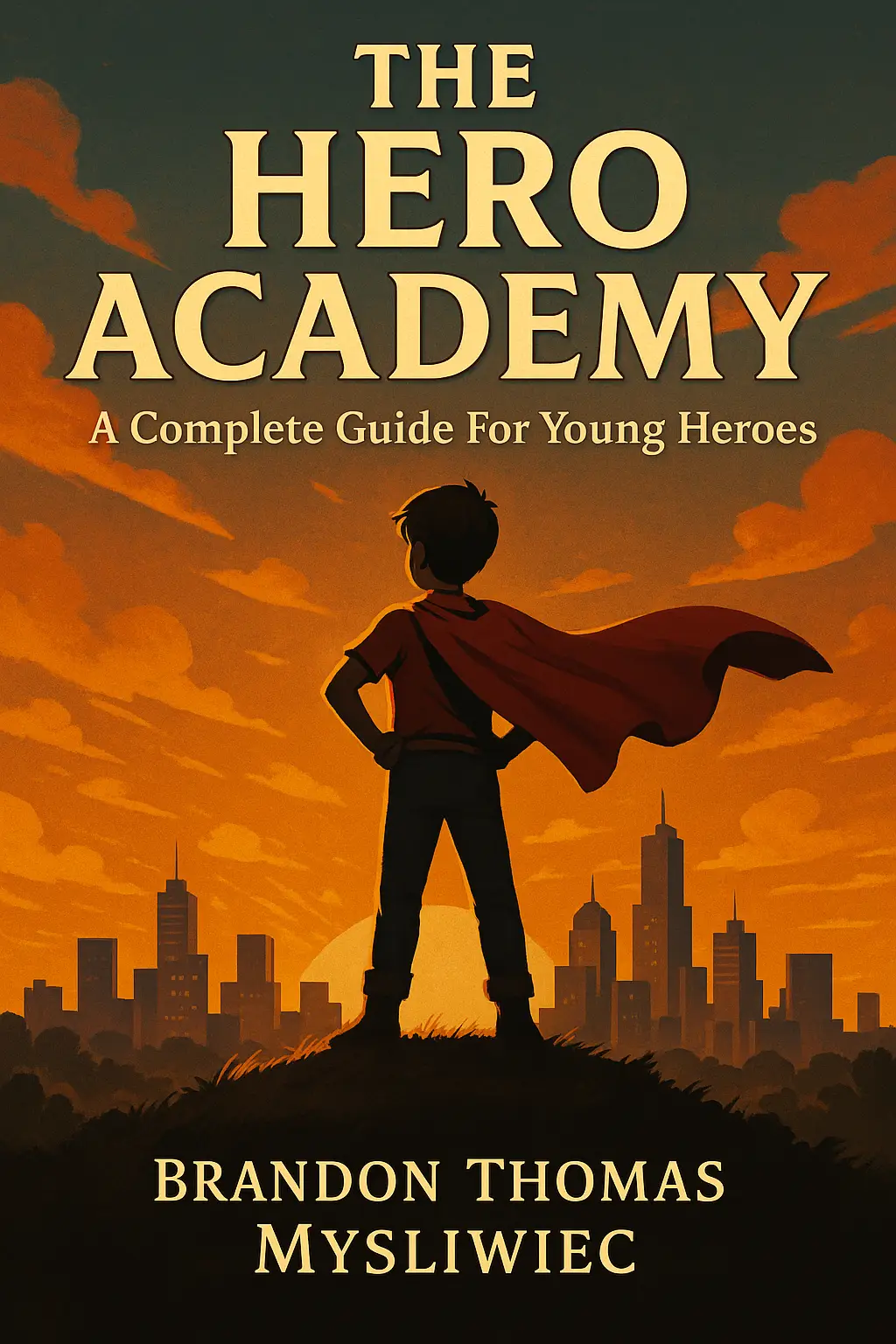
Read this tool in Book 1 · Chapter 40: Why We Forgive in Private First.
Buy Book 1 paperback ↗Read a sample chapter from this book → · Book details & print editions →
Practical website guidance based on the book. The quoted excerpt is verbatim; the surrounding instructions and examples are an original explanation. Story outcomes and metaphors are not scientific evidence or guaranteed results.
Put it into practice
Your next step
Use these prompts for a real situation or a made-up example. Younger readers can work with a trusted adult.
This worksheet does not submit your responses. Entries remain on this page until you leave or reload it. Save a text copy, or build your plan and choose Save to My Hero Journal to keep it in this browser. Journal saves are optional and visible to anyone using this browser profile.
Check your preparation
0 of 6 steps checked